You’ve probably heard that green tea is good for you, but what does that actually mean for your daily routine? Green tea is packed with antioxidants called catechins, especially EGCG, which may help support your metabolism, focus, and skin health. In this article, I’ll walk you through the key benefits, how to brew it properly, and what to keep in mind for safety.

Key Takeaways
- Green tea’s antioxidants, particularly EGCG, may help protect cells from damage and reduce chronic disease risk.
- Brew with water at 175-185°F (80-85°C) and steep only 2-3 minutes to preserve flavor and nutrients.
- Aim for 2-3 cups daily as part of a balanced diet and healthy lifestyle, not as a cure-all.
- Green tea contains caffeine, so limit intake if pregnant, breastfeeding, or sensitive to stimulants.
- Consult a healthcare professional before using green tea supplements or if you take medications.
What Are the Core Benefits of Green Tea for Women?
Green tea offers women a range of health benefits, largely thanks to its high antioxidant content, especially EGCG. It may support your metabolism, promote relaxation and focus, and contribute to better cardiovascular and skin health. Regular, mindful consumption of 2-3 cups daily, alongside a balanced lifestyle, can help unlock these advantages. Remember, green tea is a complementary aid, not a cure-all.
Understanding Green Tea: Nature’s Wellness Brew

Green tea comes from the Camellia sinensis plant, the same source as black tea and oolong tea, but it undergoes minimal oxidation during processing. This gentle handling preserves its beneficial compounds, making it a rich source of polyphenols, particularly catechins like EGCG, which are powerful antioxidants.
Beyond antioxidants, green tea contains L-theanine, an amino acid that promotes relaxation without drowsiness and may improve focus. It also has some caffeine, typically 20-45 mg per cup, providing a gentle energy boost that pairs well with L-theanine for calm alertness.
Key Health Advantages of Green Tea for Women
Green tea’s antioxidants may reduce the risk of chronic diseases by protecting your cells from damage. It can also support a healthy metabolism and fat oxidation, potentially aiding in weight management when combined with a balanced diet and regular exercise.
The combination of L-theanine and caffeine in green tea works synergistically to enhance brain function, memory, and attention. Many women find it helps them stay focused without the jitters.
For cardiovascular health, green tea may help manage cholesterol and triglyceride levels, supporting your heart over time. Its anti-inflammatory properties also benefit your skin, whether you drink it or apply products containing green tea extract. Topical use can offer antioxidant protection, though it doesn’t replace sunscreen.
Gathering Your Green Tea Essentials
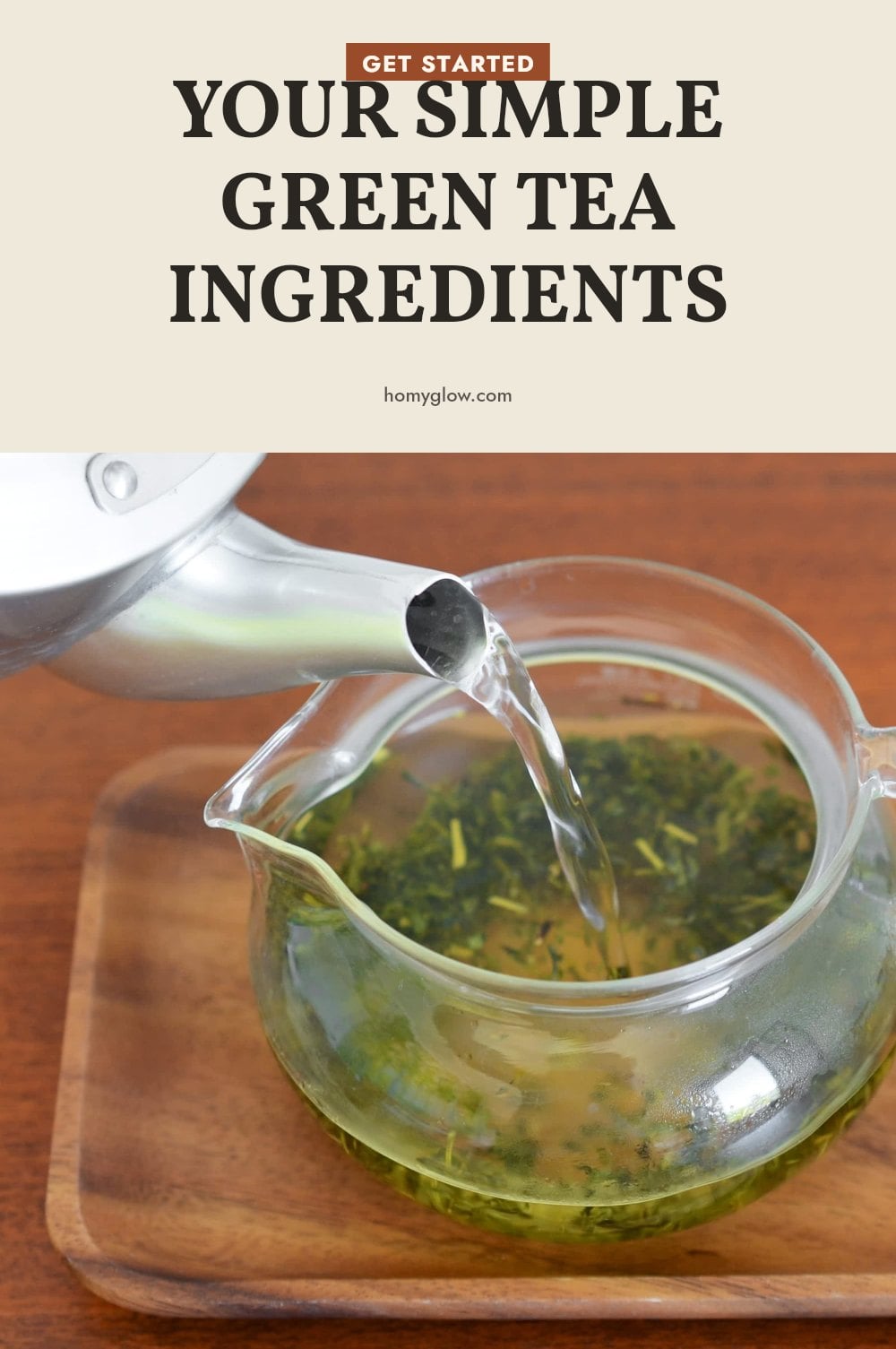
To brew a great cup, you’ll need a few essentials. Start with high-quality loose-leaf green tea or reputable tea bags for better flavor and higher antioxidant content. Use water that is not boiling, ideally 175-185°F (80-85°C), to prevent bitterness.
- Teapot or mug: for brewing your tea.
- Strainer: if you choose loose leaf tea.
- Thermometer (optional): for precise water temperature.
Brewing the Perfect Cup of Green Tea

Brewing green tea well comes down to two things: water temperature and steeping time. Get those right and you will taste the difference immediately.
- Heat the water: Bring water to a boil, then let it cool for 1-2 minutes until it reaches 175-185°F (80-85°C). Boiling water scorches the leaves and turns the tea bitter.
- Add the tea: Place 1 teaspoon of loose-leaf green tea or one tea bag into your teapot or mug. For loose leaf, a strainer keeps the leaves contained while they steep.
- Pour and steep: Pour the hot water over the leaves and let them steep for 2-3 minutes. Shorter steeping gives a lighter flavor; longer extracts more antioxidants but also more bitterness.
- Remove the leaves: Take out the tea bag or strainer as soon as the time is up. Leaving them in continues the steeping process and makes the tea astringent and unpleasant.
- Enjoy it warm: Drink your tea right away while it is fresh. Green tea does not hold up well when reheated, so brew only what you plan to finish.
My tip: if you do not own a thermometer, the water is ready when small bubbles form at the bottom of the pot but the surface is still calm. That is the sweet spot.
Common Green Tea Brewing Mistakes to Avoid
Even with good intentions, small mistakes can ruin a cup or undermine the benefits. Here is what to watch for.
- Using boiling water: Boiling water degrades delicate catechins and makes the tea taste bitter. Always let the water cool slightly before pouring.
- Steeping for too long: Over-steeping produces an overly strong, astringent flavor that masks the tea’s natural sweetness. Stick to 2-3 minutes.
- Expecting a magic bullet: Green tea is a complementary aid, not a standalone solution for weight loss or health issues. Combine it with a balanced diet and regular exercise.
- Ignoring caffeine content: A cup contains 20-45 mg of caffeine, which is less than coffee but still enough to disrupt sleep if you drink it late in the day.
- Confusing tea with supplements: Green tea extract supplements are highly concentrated and have different safety profiles. Always consult a professional before using them.
Maximizing Your Green Tea Experience
Once you have the brewing basics down, a few habits can help you get more from every cup.
- Choose quality: High-quality loose-leaf green tea or reputable tea bags deliver better flavor and higher antioxidant content than stale or low-grade options.
- Daily habit: Aim for 2-3 cups per day to potentially reap the full spectrum of benefits. Consistency matters more than occasional large amounts.
- Mindful timing: If caffeine keeps you awake, finish your last cup at least 4-6 hours before bedtime.
- Empty stomach caution: Some people feel nauseous drinking green tea on an empty stomach. Pair it with a light snack if that happens to you.
- Holistic approach: Green tea works best as part of a balanced diet and active lifestyle. It supports your routine, it does not replace it.
When to Consult a Healthcare Professional
Green tea is safe for most people, but certain situations call for a conversation with your doctor.
- Pregnancy or breastfeeding: Discuss your intake with your doctor because of the caffeine content and potential effects on iron absorption.
- Taking medications: Green tea can interact with blood thinners, beta-blockers, and some chemotherapy drugs. Consult your healthcare provider about possible interactions.
- Adverse reactions: If you experience severe stomach upset, nervousness, or signs of liver problems (rare but possible), stop drinking it and seek medical advice.
- Iron deficiency: If you have low iron, ask your doctor about the best timing. Drinking green tea between meals rather than with them may help reduce its effect on iron absorption.
Frequently Asked Questions
How much green tea should I drink daily?
Aim for 2 to 3 cups per day to potentially reap the benefits like antioxidant support and improved focus. Drinking more than that can increase caffeine side effects or cause stomach upset in some people. Start with one cup if you are new to it, and see how your body responds.
Does green tea help with weight loss?
Some studies suggest green tea may support metabolism and fat oxidation, but it is not a weight loss miracle. For best results, combine it with a balanced diet and regular exercise. Drinking green tea alone will not lead to significant weight loss without other lifestyle changes.
Can green tea interact with medications?
Yes, green tea can interact with certain medications, including blood thinners, beta-blockers, and some chemotherapy drugs. The caffeine content may also affect how your body processes other substances. Always talk to your doctor before adding green tea or supplements to your routine if you take prescription medications.
What is the best type of green tea for health benefits?
High-quality loose-leaf green tea or reputable tea bags generally offer higher antioxidant content and better flavor. Matcha, a powdered form of green tea, contains more concentrated catechins because you consume the whole leaf. Any variety from the Camellia sinensis plant provides similar benefits, so choose one you enjoy drinking.
Is green tea good for my skin?
Green tea’s antioxidants may help protect skin from UV damage when consumed regularly, but it does not replace sunscreen. Topical application of green tea extracts is also used in skincare for its anti-inflammatory properties. For best skin health, combine green tea with a good skincare routine and sun protection.
Can I drink green tea if I’m pregnant or breastfeeding?
You can drink green tea in moderation during pregnancy or breastfeeding, but limit intake due to caffeine content and potential effects on iron absorption. Most experts recommend no more than one or two cups per day. Discuss your caffeine intake with your doctor to ensure it is safe for you and your baby.
Final Thoughts
My tip: start with one cup of quality loose-leaf green tea brewed properly, and see how it fits into your day. Consistent, moderate consumption over several weeks to months may bring subtle benefits, but don’t expect overnight results. Enjoy it as a supportive part of a healthy routine, not a magic fix.
This article is for general informational purposes only and does not constitute medical advice. Green tea may interact with medications or affect certain health conditions. Always consult a qualified healthcare professional before making significant changes to your diet, especially if you are pregnant, breastfeeding, or taking prescription medications.