You know that little voice in your head that narrates your day? When it leans toward self-criticism or doubt, it can hold you back more than any external obstacle. Positive self-talk is the practice of intentionally shifting that inner monologue toward encouragement and realism, and it’s a skill you can build with consistent effort. This article walks you through what positive self-talk is, how to practice it step by step, common mistakes to avoid, and when to seek professional support.

Key Takeaways
- Positive self-talk involves reframing negative thoughts into supportive, realistic statements.
- Use a journal to write down negative thoughts and practice reframing them daily.
- Notice your internal dialogue without judgment to identify patterns and triggers.
- Replace absolute terms like ‘always’ or ‘never’ with more balanced language.
- Consistent practice over several weeks to months is needed to see noticeable shifts.
What is Positive Self-Talk and Why Does it Matter?
Positive self-talk is the internal monologue you run all day, but with a deliberate shift toward encouraging, optimistic, and compassionate language. When you reframe a critical thought into a supportive one, you actively manage stress, build resilience, and improve your overall mental health. My tip: treat it like a muscle. It’s a skill you develop through conscious effort, moving from a harsh inner critic to an empowering coach.
Tools for Practicing Positive Self-Talk
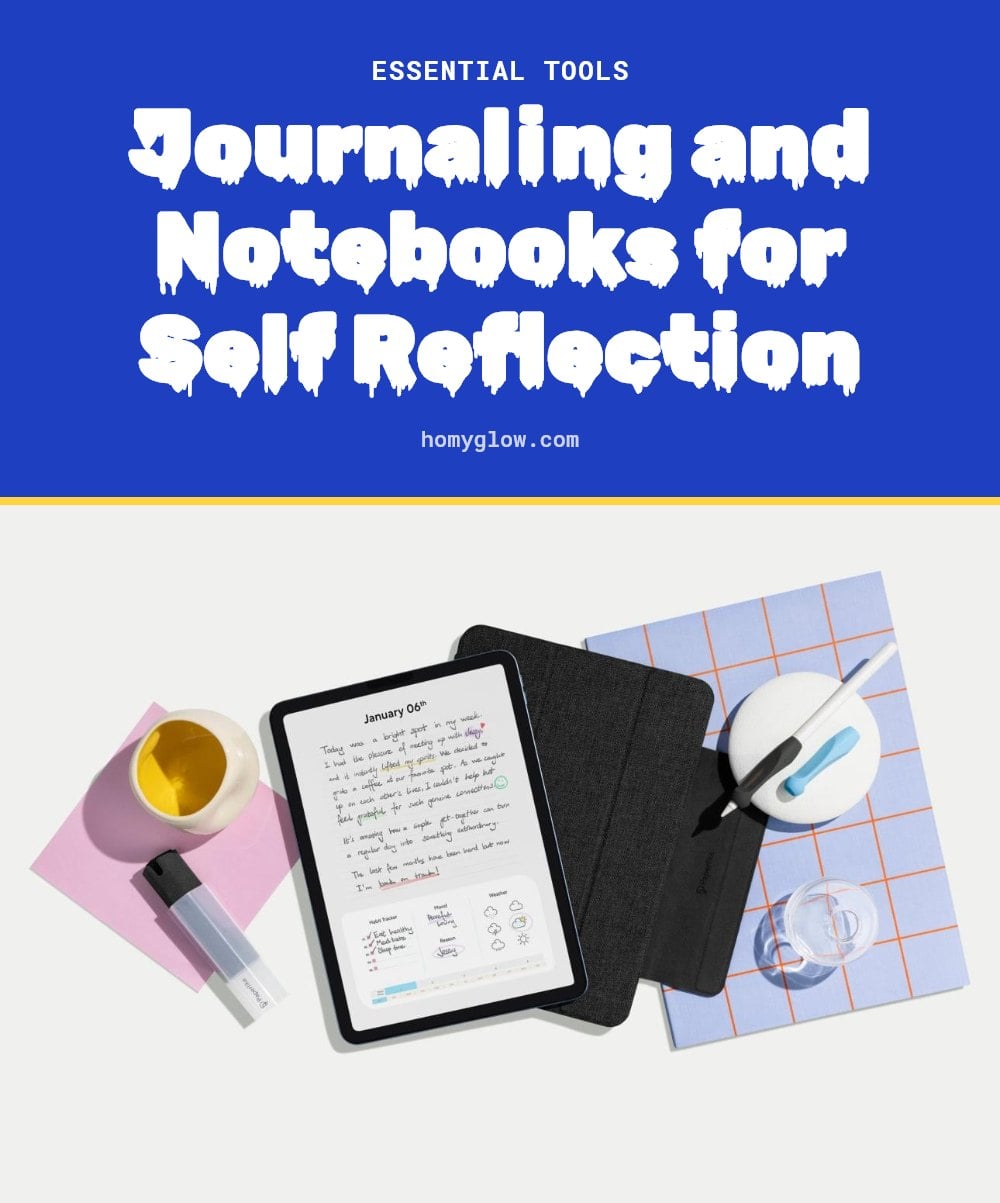
You don’t need much to get started, just a few simple tools you probably already have at home.
- Journal or notebook: Use it to write down negative thoughts and practice reframing them into more balanced statements.
- Pen: The physical act of writing helps you slow down and really examine your thought patterns.
- Mindfulness app (optional): Apps with guided meditations can help you become more aware of your self-talk without judgment.
Step-by-Step: Shifting to Positive Self-Talk

Shifting your inner dialogue takes practice, but breaking it into clear steps makes it manageable. Here’s the process I use.
- Notice your thoughts: Pause a few times a day and simply observe what you’re telling yourself. Don’t judge it, just notice the tone and content.
- Identify patterns and triggers: Look for recurring negative themes, like “I always mess up” or “I’m not good enough.” Note the situations that spark them, like a work deadline or a social event.
- Challenge the thought: Ask yourself, “Is this thought 100% factual, or is it an assumption?” Look for cognitive distortions, such as all-or-nothing thinking or overgeneralization.
- Reframe into a neutral or positive statement: Turn “I can’t handle this” into “This is challenging, and I can take it one step at a time.” The goal is realistic, not forced positivity.
- Practice self-compassion: Talk to yourself the way you would a good friend. If a friend was struggling, you wouldn’t criticize them, you’d offer kindness and understanding.
- Focus on your strengths: Remind yourself of past successes and skills you’ve built. Write down three things you did well today, no matter how small, in a journal or notebook so you can revisit them when doubt creeps in.
Powerful Affirmations to Boost Your Confidence
Affirmations are short, positive statements you repeat to yourself to challenge and replace negative thoughts. The key is to choose ones that feel true and repeat them regularly, ideally out loud or in writing each morning.
- I am capable and strong. Use this when self-doubt creeps in before a challenge.
- I am worthy of love and respect. A reminder for moments when you compare yourself to others.
- I am learning and growing every day. Perfect for when you make a mistake or feel stuck.
- I trust my abilities and decisions. Repeat this before making a choice or taking a risk.
Common Mistakes When Practicing Positive Self-Talk
Ignoring problems: Positive self-talk isn’t about pretending everything is perfect. Acknowledge the issue, then look for a constructive way forward.
Forcing positivity: Don’t dismiss valid negative emotions. Let yourself feel them, then gently reframe the thought. Suppressing feelings backfires.
Giving up too soon: Changing thought patterns takes weeks or months of consistent practice. Progress is gradual, not instant.
Toxic positivity: Avoid dismissing your own or others’ struggles with phrases like “just think positive.” Validate the difficulty first.
Not recognizing it as a habit: Self-talk is a skill that needs daily effort. Treat it like learning a new language, repetition builds fluency.
Daily Habits to Cultivate Positive Self-Talk

Incorporate gratitude: Each day, write down three things you appreciate. This shifts focus from self-doubt to what’s going well.
Mindfulness practice: Spend 5 minutes noticing your breath or body sensations. This helps you catch negative thought patterns without reacting.
Self-compassion: Talk to yourself the way you would a close friend. Use kind, understanding words instead of criticism.
Reframe ‘I can’t’: Instead of “I can’t handle this,” try “This is challenging, and I can approach it step-by-step.” This aligns with the reframing strategy of turning a block into a manageable process.
When to Seek Professional Support
If persistent negative self-talk leads to feelings of hopelessness, severe anxiety, or depression, consult a mental health professional. Self-talk techniques are supportive tools, not replacements for therapy. If you’ve been practicing consistently for several weeks and still struggle, a therapist can help you address deeper patterns with approaches like cognitive behavioral therapy.
Frequently Asked Questions
How long does it take to change negative self-talk?
Most people need consistent practice over several weeks to months to notice a meaningful shift in their self-talk patterns. Progress is gradual, and it’s normal to have setbacks. The key is to be patient and keep practicing, even when it feels slow.
Can self-talk really improve my mental health?
Yes, many people find that shifting to more positive self-talk helps manage stress, build resilience, and improve overall mental well-being. It’s not a cure-all, but it’s a supportive tool that can complement other strategies like therapy or mindfulness.
Is positive self-talk the same as ignoring problems?
No, positive self-talk is not about pretending everything is fine. It means acknowledging the issue, then looking for a constructive way forward. Dismissing valid negative emotions is a common mistake and can backfire.
What are cognitive distortions in self-talk?
Cognitive distortions are biased ways of thinking that reinforce negative self-talk, like all-or-nothing thinking or overgeneralization. Identifying these patterns is a key step in challenging and reframing your inner dialogue.
When should I seek professional help for negative self-talk?
If persistent negative self-talk leads to feelings of hopelessness, severe anxiety, or depression, consult a mental health professional. Self-talk techniques are supportive tools, not replacements for therapy. If you’ve been practicing consistently for several weeks and still struggle, a therapist can help address deeper issues.
Final Thoughts
My tip: start by noticing just one negative thought each day and reframing it into a neutral or supportive statement. It doesn’t have to be perfect, just a small step toward a kinder inner voice. Expect this to take consistent practice over several weeks to months before you feel a real shift in your self-doubt. The goal isn’t to silence the critical voice entirely, but to give the supportive one more airtime.
This article is for general informational purposes only and does not constitute medical or professional mental health advice. If you are experiencing persistent self-doubt, anxiety, or depression, please consult a licensed mental health professional for personalized support.